
This is fellow photographer Gerry Harte from Dungannon who works for Observer Newspapers and has done so for many many years.


This is fellow photographer Gerry Harte from Dungannon who works for Observer Newspapers and has done so for many many years.

Went to a great gig in the Black Box in Belfast which featured “Pokey La Farge and The South City Three” The bands repertoire consists of a mix of Americana, early jazz, ragtime for string instruments, country blues, Western swing, Vaudeville, and Appalachain folk.
Pokey LaFarge, is an American roots musician and songwriter. In 2009 LaFarge founded the group Pokey LaFarge and the South City Three when a group of three musicians joined him: Joey Glynn (bass), Adam Hoskins (guitar) and Ryan Koenig (Harmonica, washboard, and snare). The group is based in St. Louis Missouri. They will be back in Belfast in October.
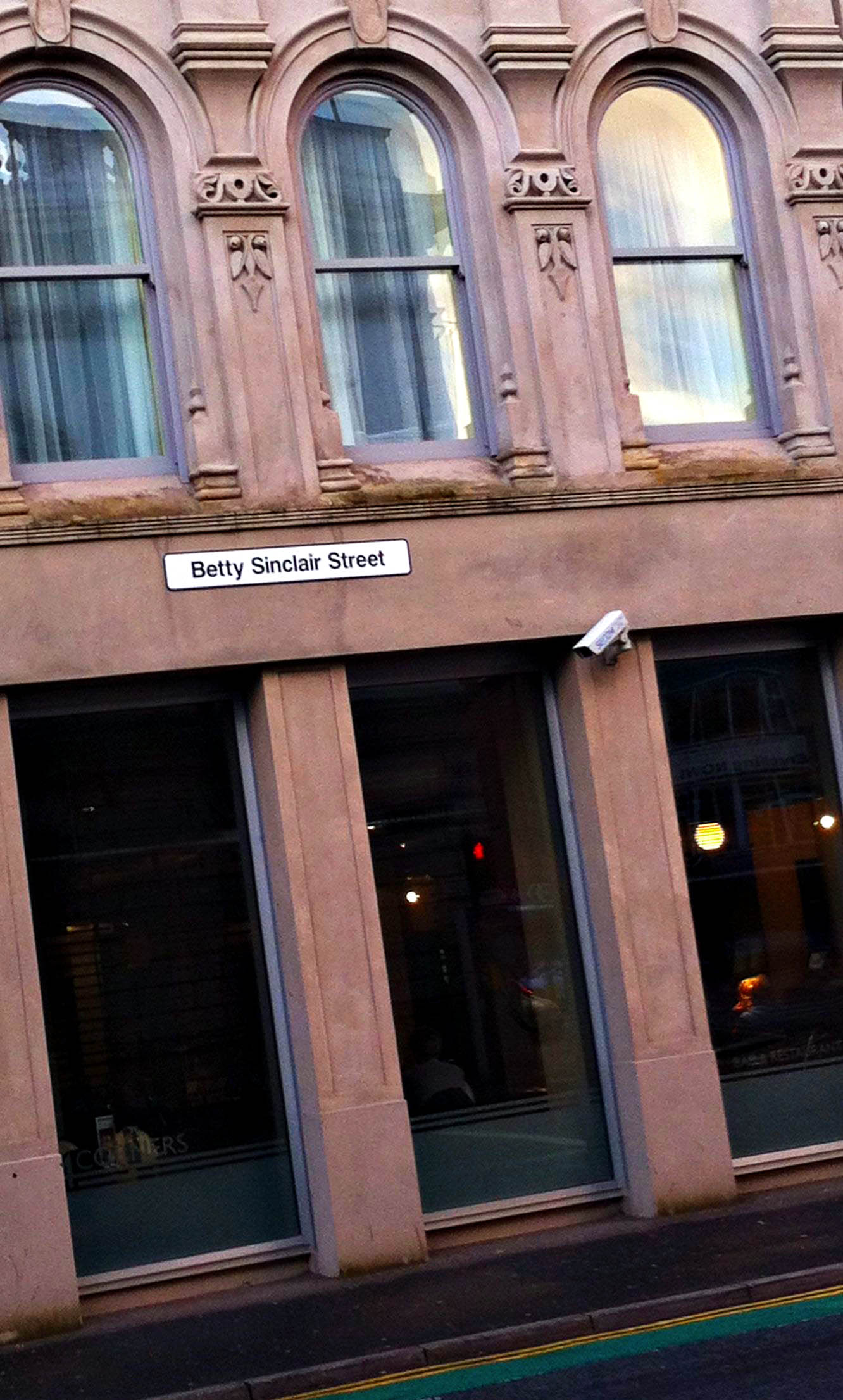
As part of International Women’s Day 2012 it was decided to rename temporarily some streets in Belfast after women who had made their mark on the city. Donegall Street was named after Betty Sinclair. The Sign is on the side of the new Premier Inn Hotel.
Elizabeth “Betty” Sinclair was born into a working-class family in the Ardoyne area of Belfast. Her father was a worker in the Harland and Wolff shipyard and a “Walkerist” (pro-union) socialist; her mother was a reeler in Ewart’s mill. After leaving school at the age of fifteen she became a millworker alongside her mother. As an active trade unionist she was elected on behalf of her union to the Belfast and District Trades Union Council, of which she was secretary from 1947 to 1975.
In 1931 she began to attend meetings of the Revolutionary Workers’ Group (forerunner of the Communist Party of Ireland CPI) and in 1932 she became a member. The same year she played an active part in the leadership of the Outdoor Relief (unemployment assistance) strike and the demonstrations by tens of thousands of unemployed workers. Huge non-sectarian workers’ demonstrations shook the Unionist regime to its foundations. Demonstrations were banned and a curfew was declared. Two demonstrators were shot dead by the British army; another demonstrator who was arrested and sentenced to three months’ imprisonment died later from his mistreatment. These were the first large-scale non-sectarian political demonstrations in the North, and the last until the advent of the Northern Ireland Civil Rights Association in the 1960s (in which Betty Sinclair was also to play a leading part). Some of the strikers’ demands were met, after which the Stormont regime intensified its promotion of sectarian division.
From 1933 to 1935 she attended the Lenin School in Moscow. In 1940 she was arrested after the CPI paper Unity published an article allegedly sympathetic to the IRA, and she was sentenced to two months’ imprisonment. The same year she became a full-time party worker in Belfast. In the 1945 election for the Northern Ireland Parliament she stood as a CPI candidate and received 4,000 votes.
She was a founder-member of the Northern Ireland Civil Rights Association in 1967 and its first chairperson but resigned from this position in 1969 after the organisation had been compromised by ultra-leftists and pushed into provocations that would result in further sectarian divisions.
After 1969 she travelled throughout eastern Europe and in the 1970s lived in Prague as the Irish representative on the international editorial board of World Marxist Review. She died in 1981 after a fire in her flat in east Belfast.
” We Shall Overcome” became the anthem of the Civil Rights movement in Northern Ireland. It was first sung at the end of the initial Northern Ireland Civil Rights Association march from Coalisland to Dungannon, County Tyrone on Saturday 24 August 1968. The person to orchestrated and lead the march in singing of this song was Betty Sinclair.
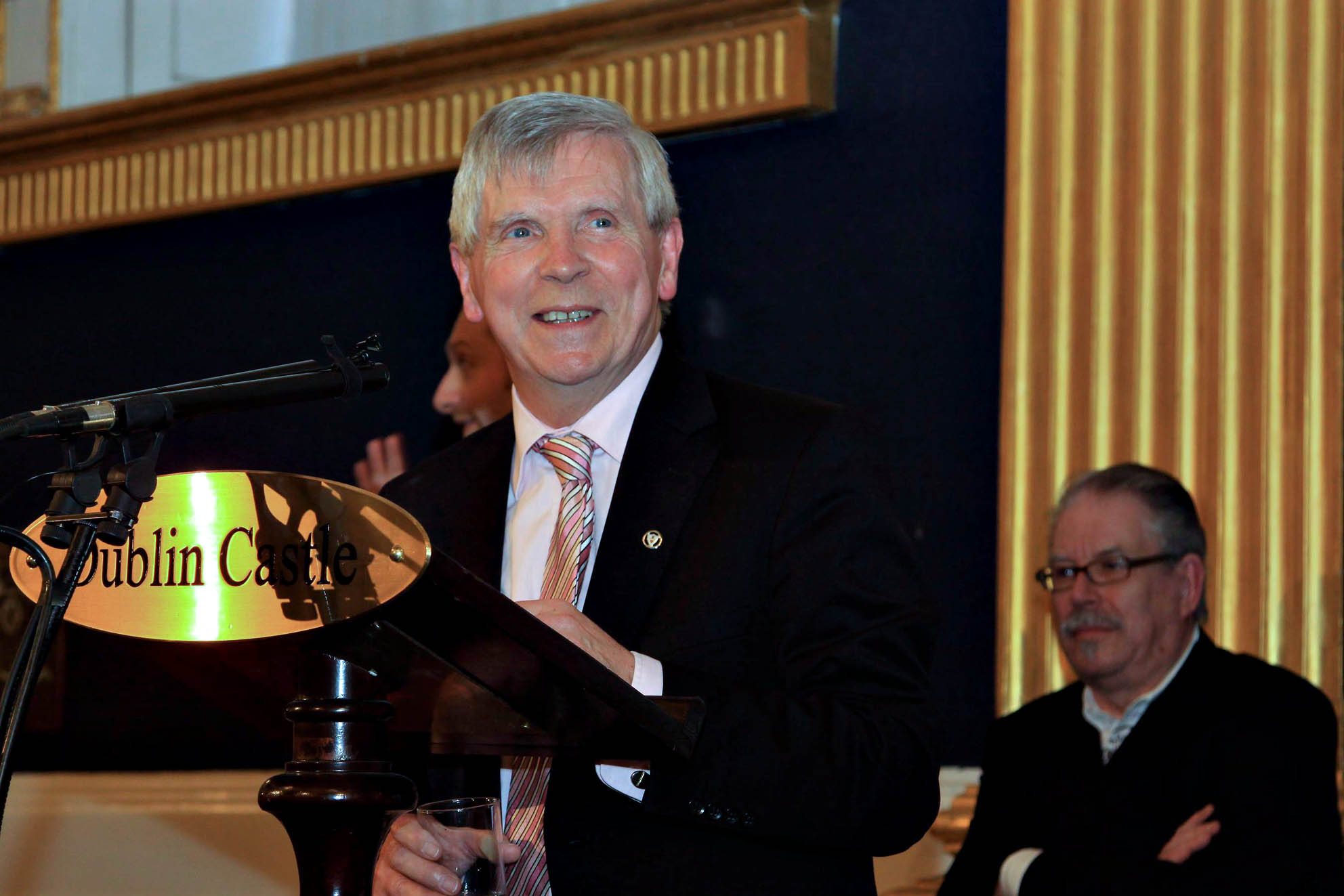
This is Danny Donnelly originally from Omagh Co Tyrone but who has lived in Dublin for many years. I spent a lovely day with Danny and his wife Caitríona at the All Ireland Club Football and Hurling finals in Croke Park on Saturday. We were lucky enough to see two great games with an historic win for Loughgiel Shamrocks hurling team from Antrim, and a draw between Crossmaglen of Armagh and Garrycastle of Westmeath.
I took this picture at the launch of Danny’s Book,“Prisoner 1082″ Escape From Crumlin Road, Europe’s Alcatraz, a few months back in Dublin Castle. Also in the picture is the renowned Irish artist Robert Ballagh who was a guest of honour.
The book details how on St Stephen’s Day 1960 Danny made his dramatic escape from the prison known as Europe’s Alcatraz The Crumlin Road Belfast. Using hack-saw blades, torn sheets and electric flex, Donal broke out of Crumlin Road Prison, running the gauntlet of searchlights, alarms and machine-gun nests. Three years earlier, as a teenage he had been convicted of membership of the IRA in the first year of Operation Harvest. He was sentenced to ten years. As 12,000 Ulster police and B Specials pursued him, nationalists and republicans gave him shelter and support. In the book he reflects on why he came to be on top of a prison wall risking his life. He describes the penal conditions in Northern Ireland and outlines in detail how the IRA operated in that period. He charts his later involvement in business, his search for justice for the marginalised and his friendship with the republican agitator and author Peadar O Donnell. This is the story of a man who overcame the hurdles of his early years to live a successful, happy life.
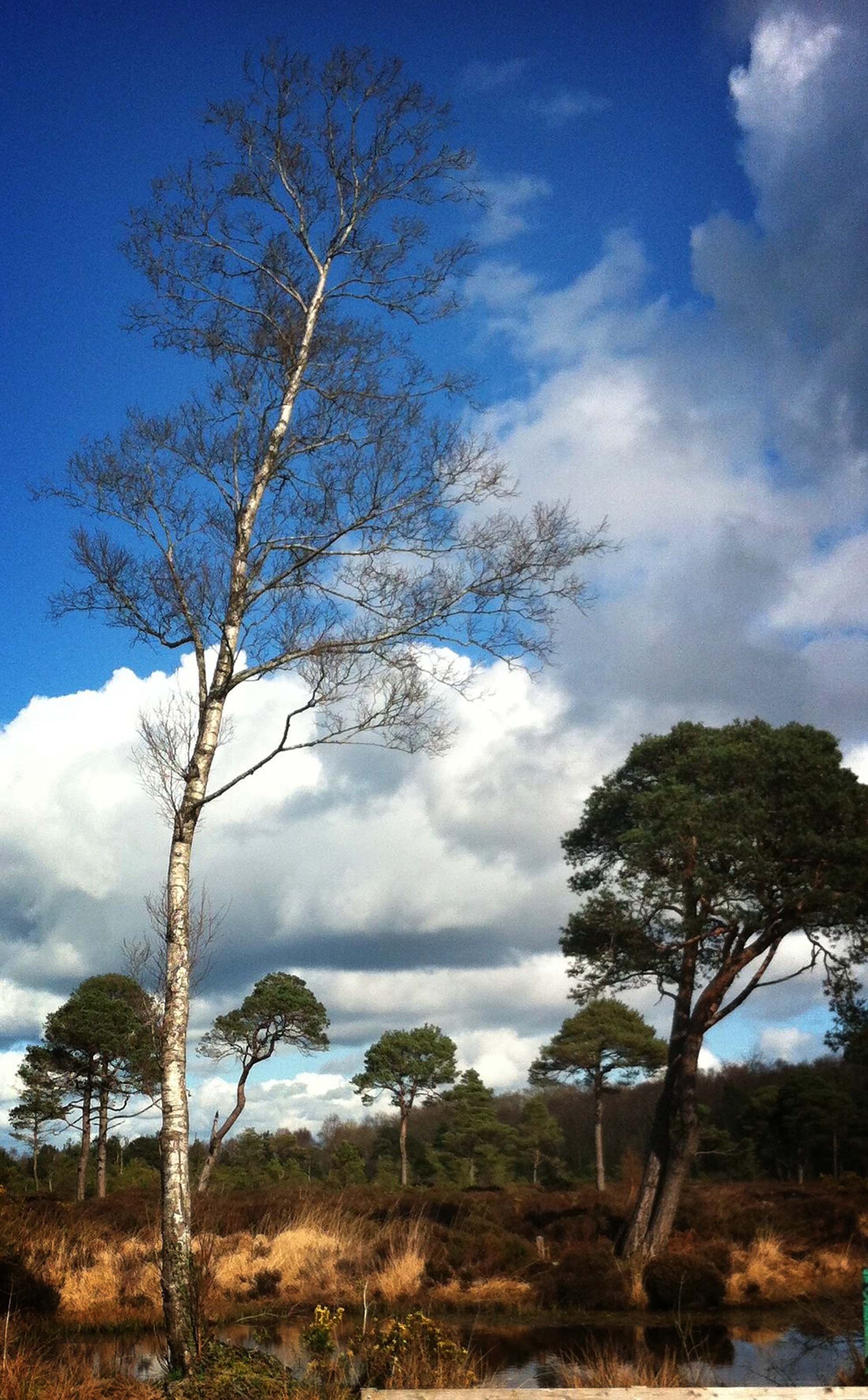
This is the Birch Tree in Peatlands Park that I will photograph once a month to mark the changing of the seasons. I was worried earlier today that I wouldn’t get posting a photo because our internet was down but it came good in the end.
Hi Folks. Our internet connection at home is down so I’ve had to use another computer elsewhere to upload this. Unfortunately I don’t have access to my photos so there is a chance that I won’t get posting a photo today or at least not until much later than usual.

This is Cody O’Neill my sister Dolores’ dog. It’s a Lhasa Apso.
The Lhasa Apso is a non-sporting dog breed originating in Tibet. It was bred as an interior sentinel in the Buddhist monasteries, who alerted the monks to any intruders who entered. Lhasa is the capital city of Tibet and apso is a word in the Tibetan language meaning “Bearded,” so Lhasa Apso simply means “Long-haired Tibetan dog.”

I’ve called this photo “Top Dog” but if you can think of a better title feel free to comment.

This is Coalisland women Deirdre Kay née O’Neill who has lived in England for many many years but is a frequent visitor to Coalisland where she still has many friends and family. Deirdre is the mother of the famous comedian, actor, writer Peter Kay. I’m delighted to say I contributed to the building of her bungalow!
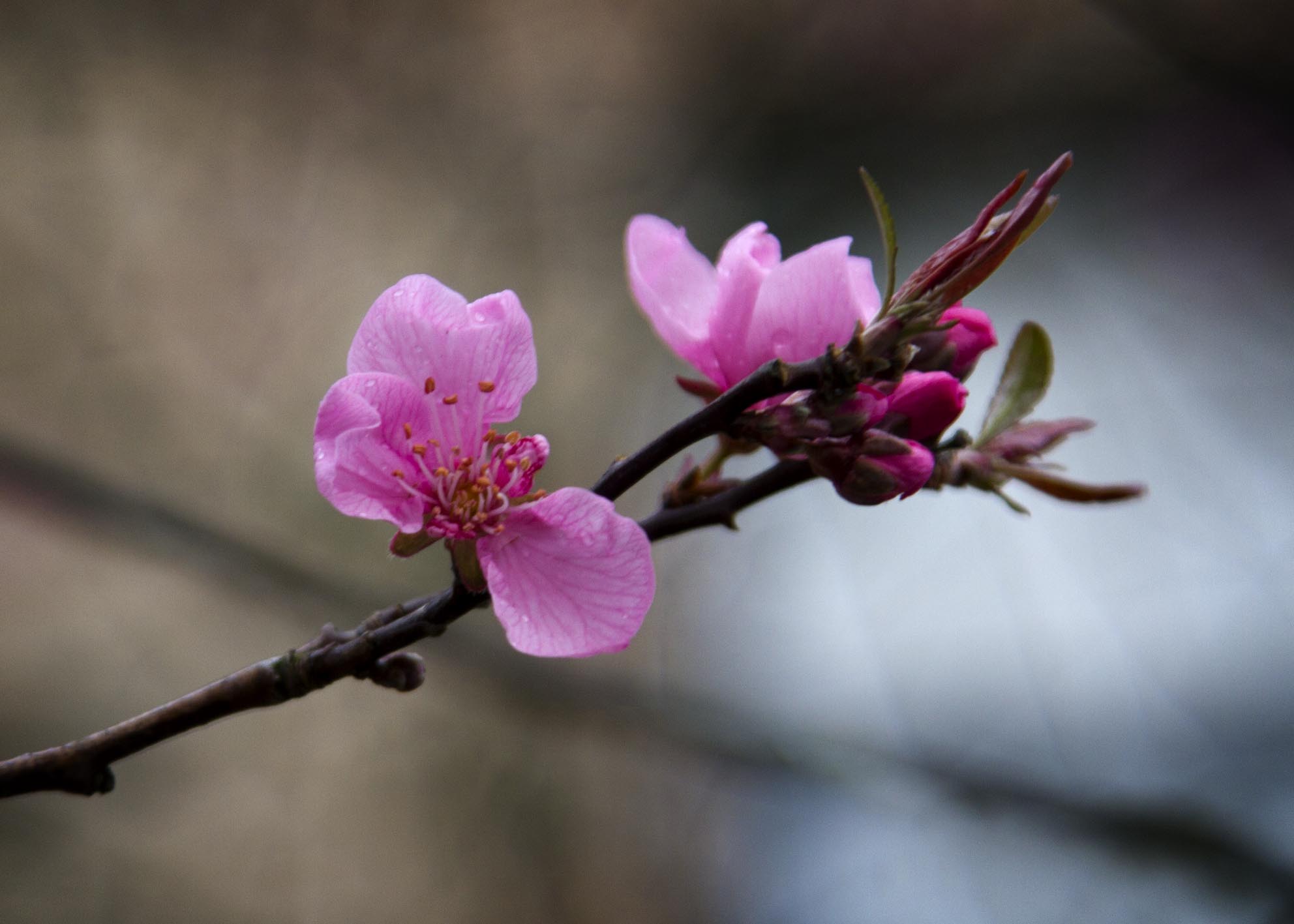
The Cherry Blossom has bloomed on the trees at The Cornmill in the town. The mild weather has meant that it’s out much sooner than would normally be the case. Spring Has Sprung.
 It Occurred To Me