
A Full moon on 28th November 2012


A Full moon on 28th November 2012
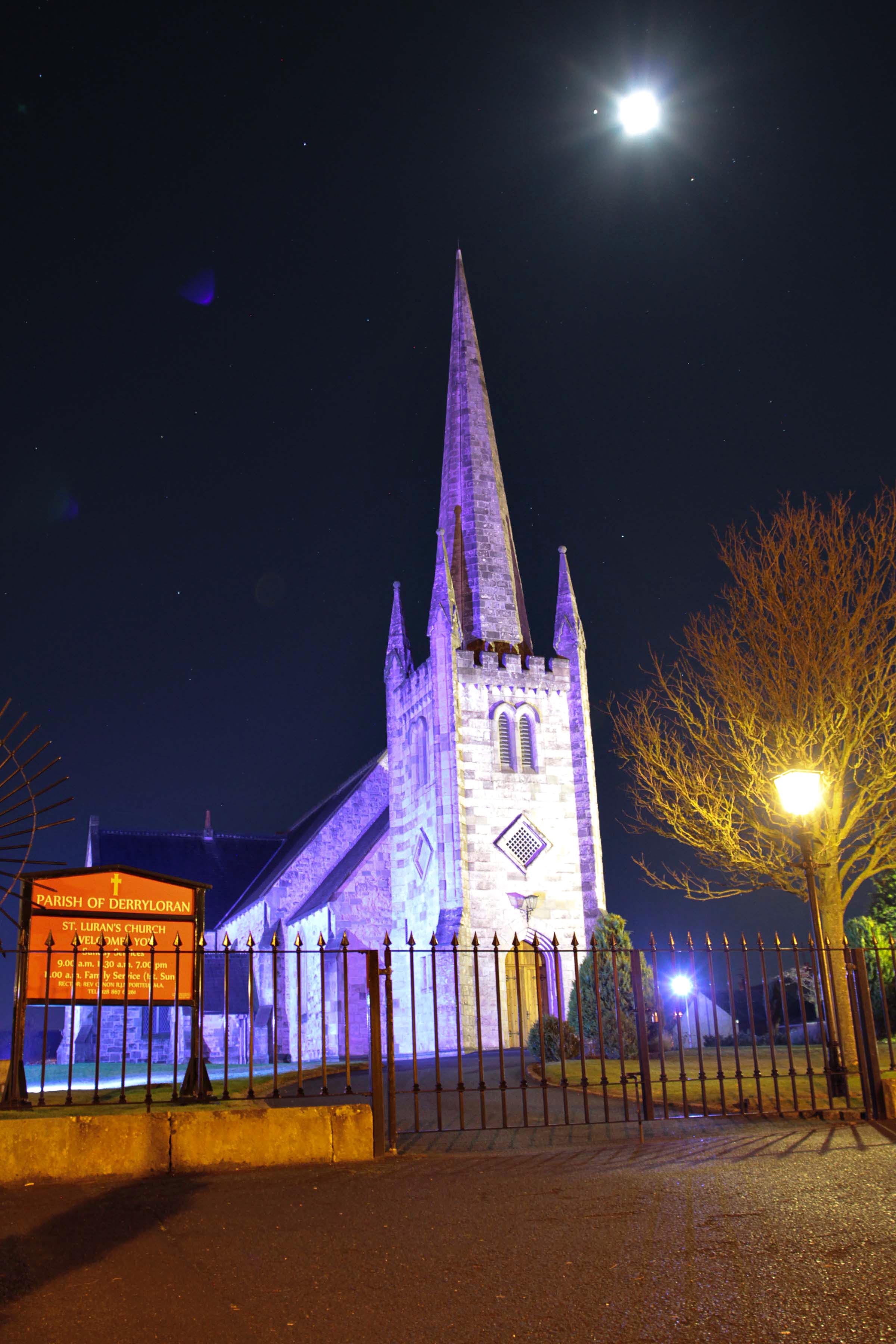
I have been running a course in Gortalowry House in Cookstown for the past ten weeks and we finished it tonight. Gortalowry House is beside this building St Luran’s Parish Church Derryloran. St Luran’s Church of Ireland is thought to have been originally constructed in 1822 by John Nash but has be added to over the years with only the tower and spire remaining of the original building.
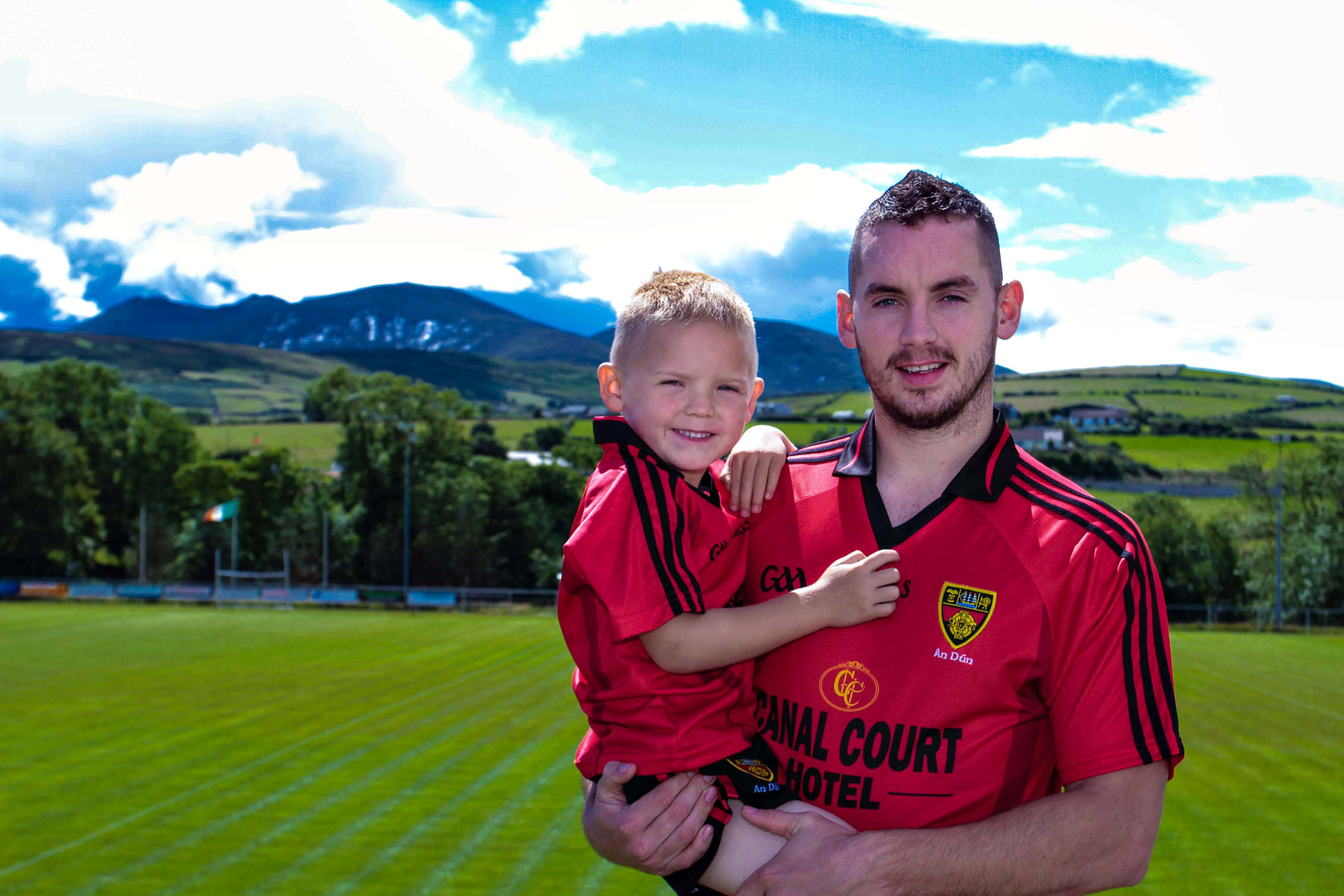
This is Felim McGreevy and his son Dalach. Felim plays for Kilcoo GAC who will contest their first Ulster Club Championship Final on Sunday. The Kilcoo Club is featured in the latest “UP THE CLUB” blog produced by myself and journalist Ronan McSherry. Click Here

I had to cover the Tyrone all county league GAA semi final at O’Rahilly park for the Tyrone Herald. It was a very cold day and the general feeling is that it’s wrong to be playing football at this time of year. However my team, Clonoe O’Rahilly’s won beating Errigal Ciaran and will now play our arch rivals and neighbours Coalisland Fianna in next weeks final. This is Stephen McNulty Clonoe with the ball being tackled by Stiofan Tierney (Errigal Ciaran)
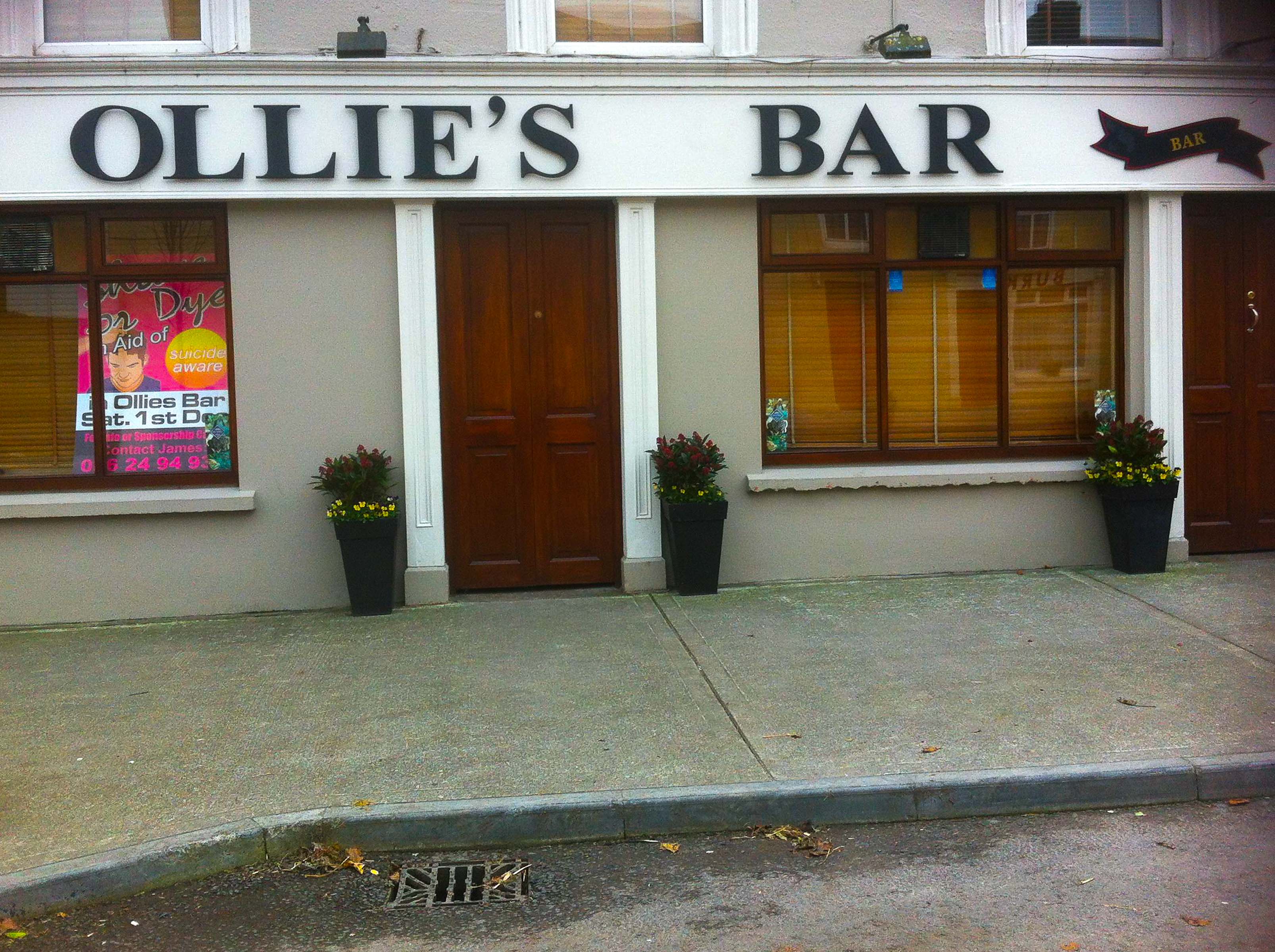
This is Ollie’s Bar Kildorrery Co Cork. Kildorrery is a small, 19th century village on the Mitchelstown to Mallow road. I reckon everyone in Ireland has a bar named after them and this is mine.
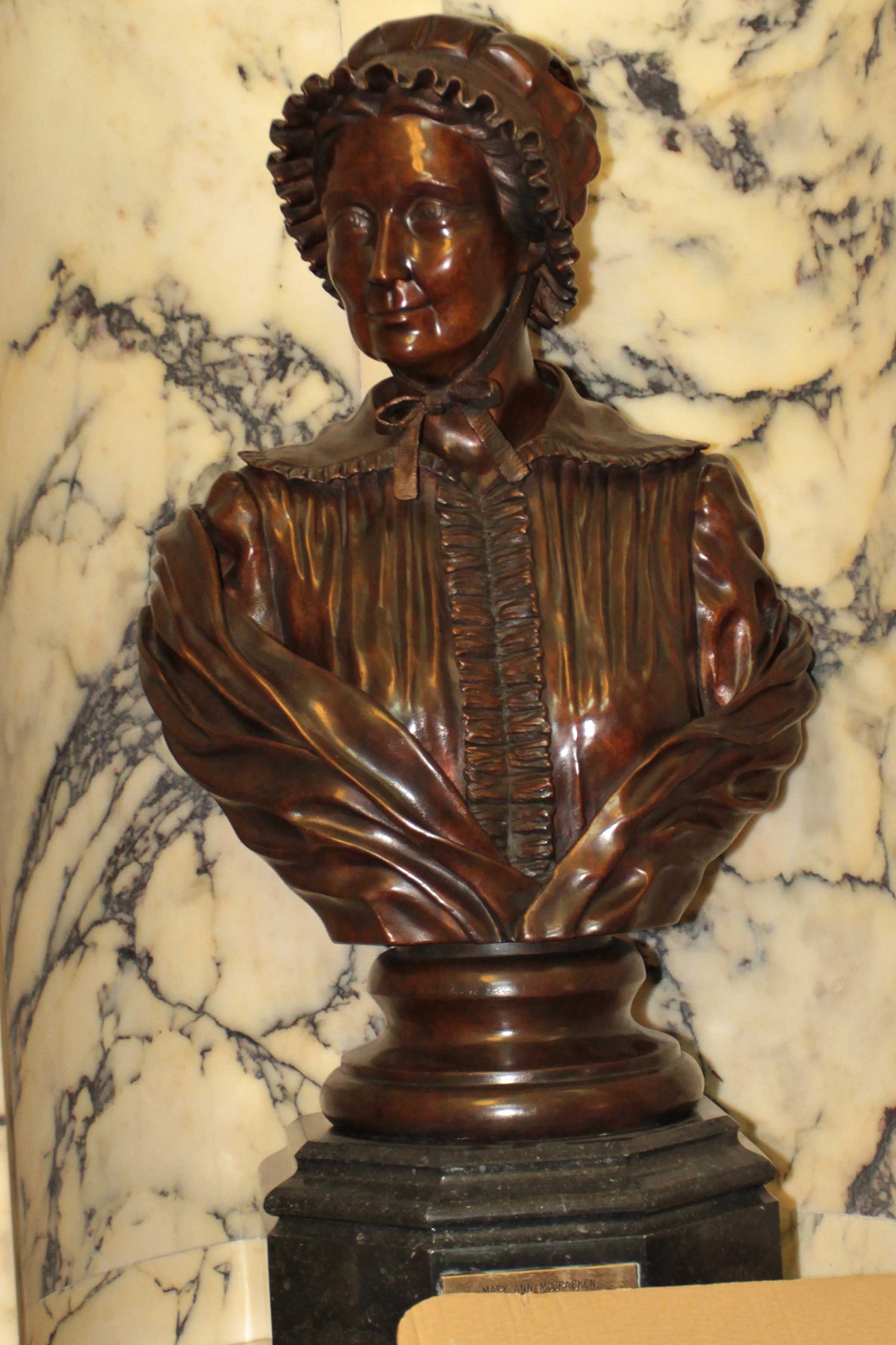
This is a bust of Mary Ann McCracken which is on the first floor of Belfast City Hall. It has recently been placed in City Hall in an attempt to reflect a more balanced narrative of the history of Belfast to reflect the role of nationalists and women.
McCracken was born in Belfast. Her father was Francis McCracken, a prominent ship-owner; her mother Anne Joy came from another wealthy family which made its money in the linen trade and founded the Belfast News Letter. Mary Ann’s liberal and far-sighted parents sent her to David Manson’s progressive co-educational school, where ‘young ladies’ received the same education as the boys; Mary Ann excelled at mathematics. She was the sister of the Irish rebel Henry Joy McCracken, who was executed in Belfast following his role in the Battle of Antrim in June 1798. After the death of her brother, whom she tried to resuscitate for five hours after he was hanged, Mary Ann took over the care of his illegitimate daughter, Maria. After Henry’s execution in 1798 she and her sister Margaret opened a muslin manufacturing business at 27 Waring Street, Belfast. Mary Ann never married, but in her youth paid a good deal of attention to a leading United Irishman, Thomas Russell, whom she described favourably and at great length in her diaries. She died on 26 July 1866 at the age of 96 years. She is buried with her brother, Henry Joy, in Clifton Street Cemetery.
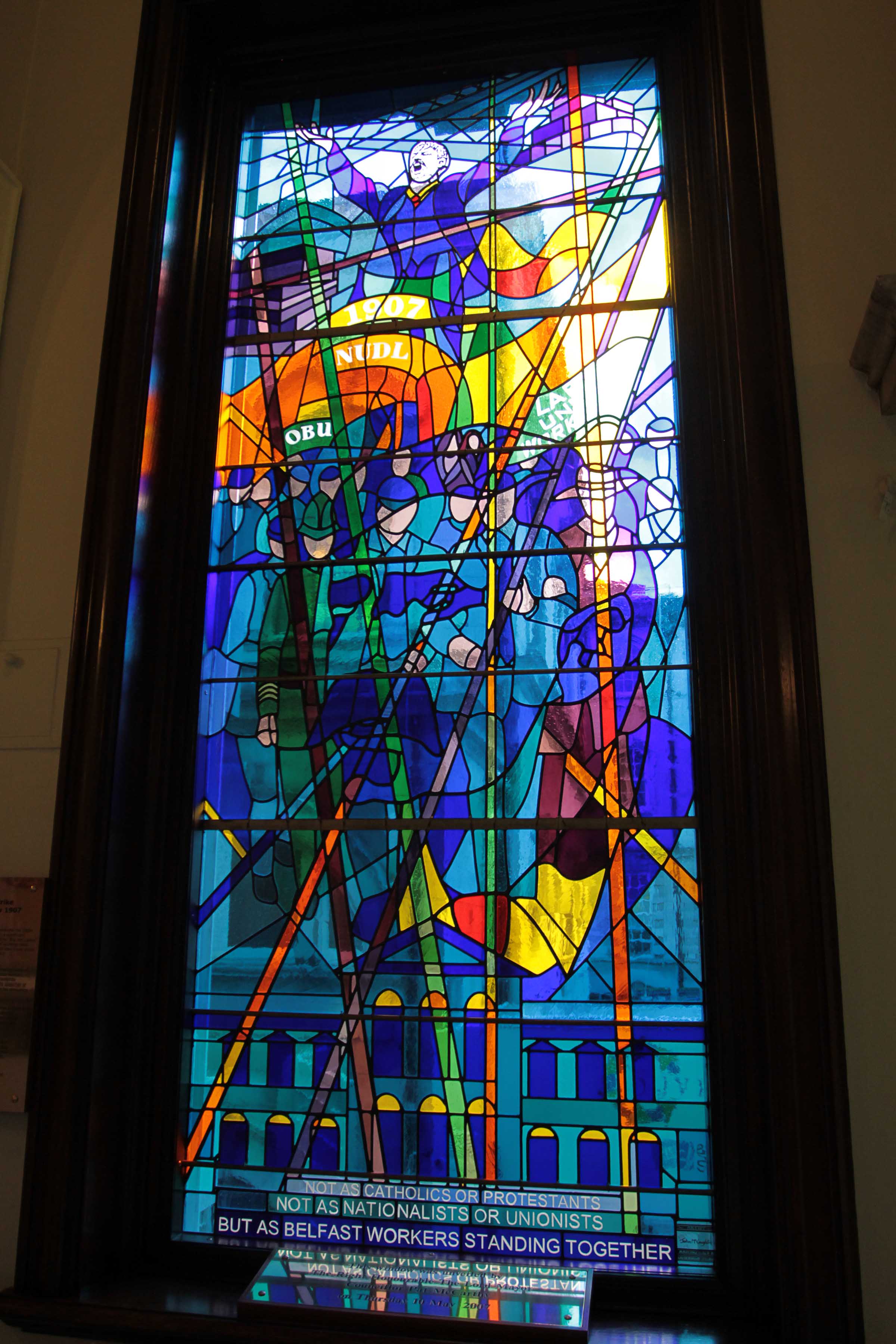
This is a stain glass window in Belfast City Hall to commemorate the 1907 Dockers Strike in Belfast led by trade unionist organiser James Larkin. The legend at the bottom of the window reads Not as Catholics or Protestants, Not as Nationalists or Unionists, But as Belfast Workers Standing Together.
The Belfast Dock strike or Belfast lockout took place in Belfast, Ireland from 26 April to 28 August 1907. The strike was called by Liverpool-born trade union leader James Larkin who had successfully organised the dock workers to join the National Union of Dock Labourers (NUDL). The dockers, both Protestant and Catholic, had gone on strike after their demand for union recognition was refused. They were soon joined by carters, shipyard workers, sailors, firemen, boilermakers, coal heavers, transport workers, and women from the city’s largest tobacco factory. Most of the dock labourers were employed by powerful tobacco magnate Thomas Gallaher, chairman of the Belfast Steamship Company and owner of Gallaher’s Tobacco Factory. The Royal Irish Constabulary (RIC) later mutinied when ordered to escort the blackleg drivers of traction engines used to replace the striking carters.The state deployed British Army to defeat the strike. Although largely unsuccessful, the dock strike led to the establishment of the Irish Transport and General Workers’ Union

This is the Christmas Tree under the dome in the foyer of Belfast City Hall.
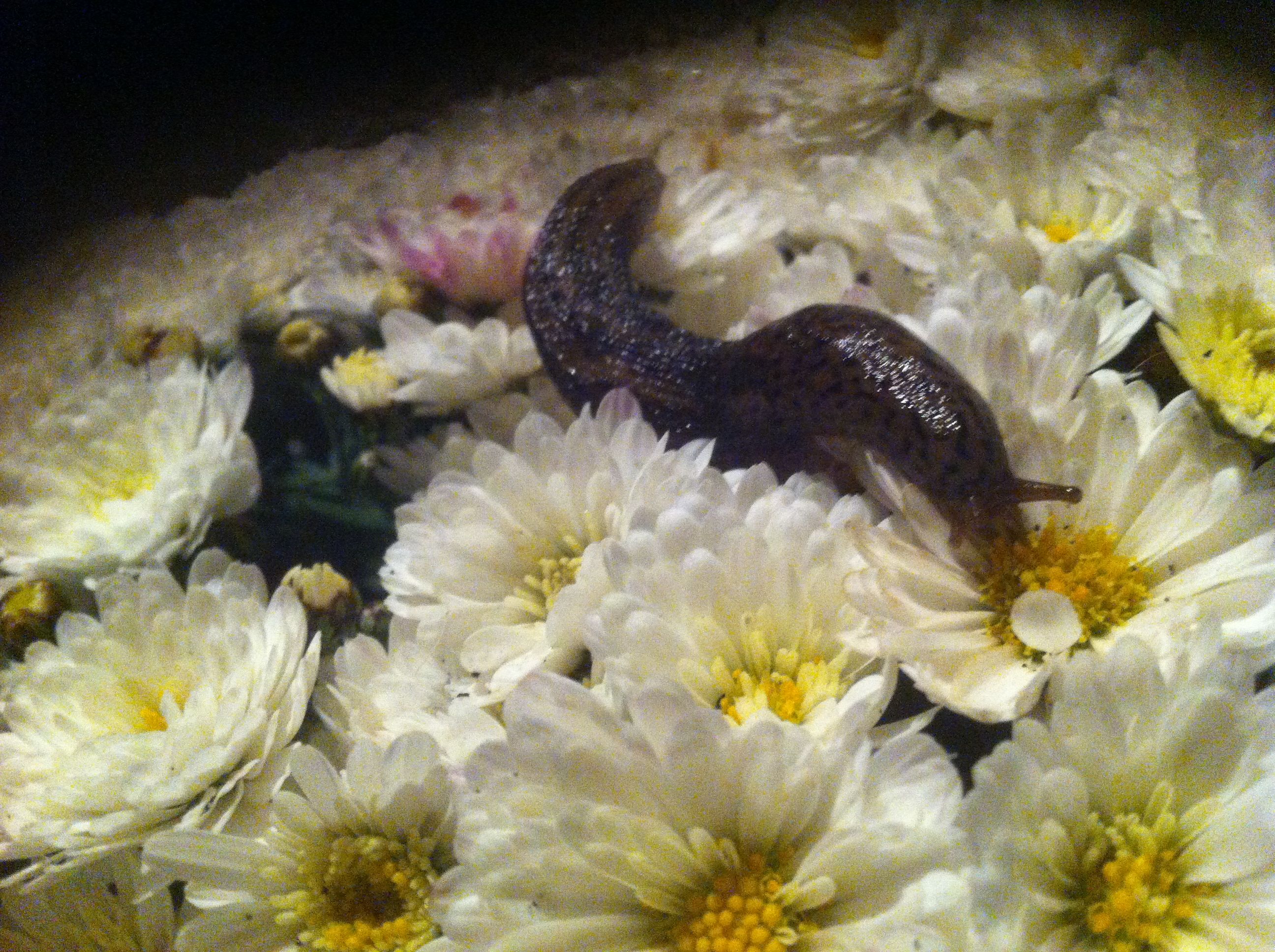
A Snail in my brothers garden.
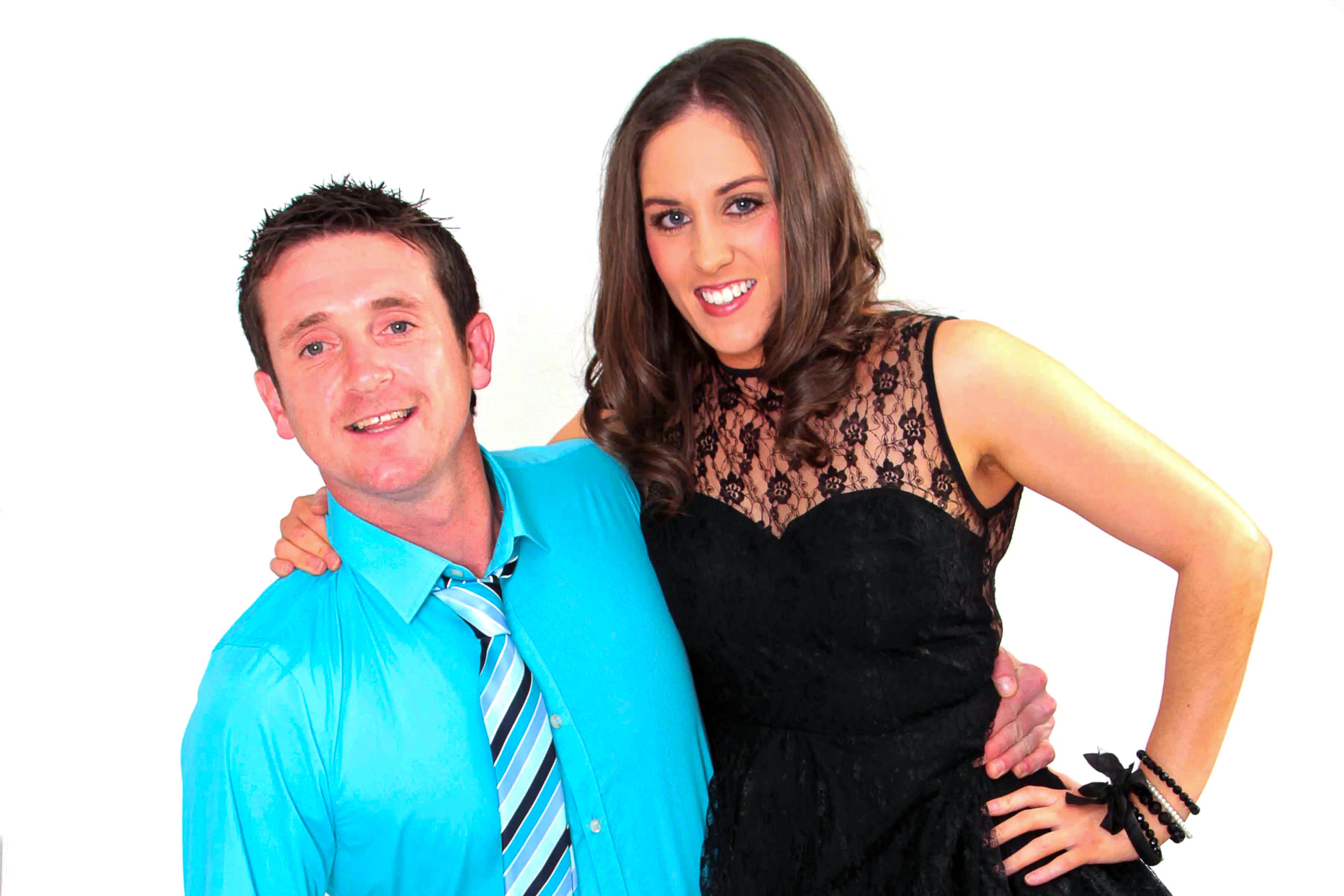
This is Adrian McCann and Catherine Hanna who won “Derrylaughan GFC Strictly Come Dancing” last night. Eight other couples took part in the competition which was to raise funds for the club and MacMillan Cancer Support.
 It Occurred To Me