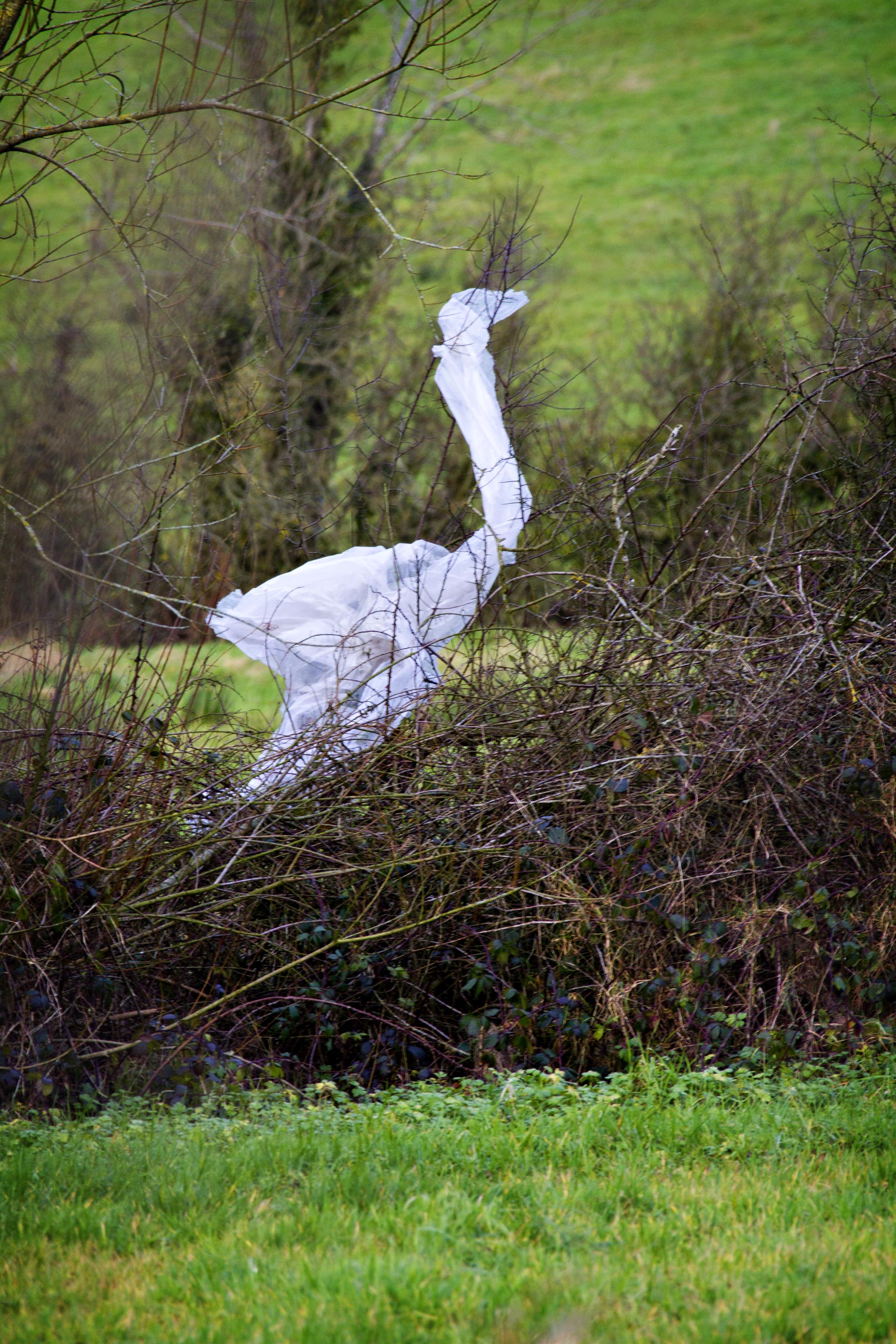
A couple of colleagues at The Craic Theatre Coalisland (Brian & Edel) spotted this “Plastic Swan” in a hedge on the B45 road which leads from the M1 motorway roundabout at Tamnamore through Ballynakelly to Coalisland. Keep an eye out for this piece of rubbish art!
Author Archives: Oliver Corr Photography
Horse Grave Coalisland (Day Eleven)
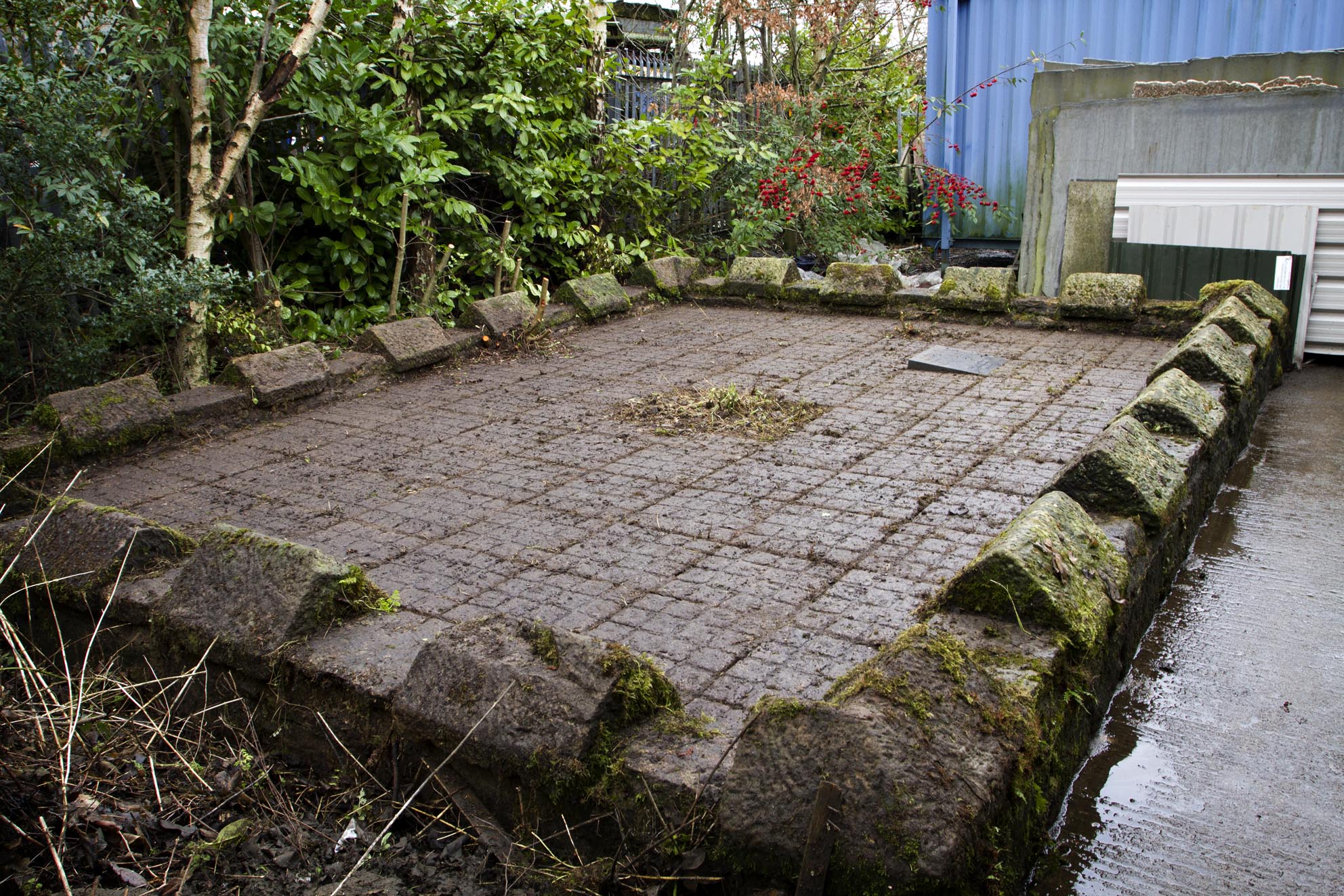
This is the Horse Grave which is situated in the yard of the former Coalisland Weaving Factory close to the Craic Theatre. The owner of the factory when it was opened circa 1868 was a man called Ledlie Clarke along with John Stevenson.
The Clarkes were keen sportsmen not averse to a bit of cock fighting and with a great fondness for thoroughbred horses which were stabled in the factory grounds near where “The Yankee Star Grill” restaurant now stands. One weekend in September 1894 a stable boy whose job was to feed the horses with mash found that he was out of salt. He knew that salt was used in the Dyeing process but the factory was closed for the weekend. He managed to break in to the dye house and took what he thought was salt. Sadly, it was a poisonous chemical also used in the dyeing and all five horses died, their graves still marked by a stone surround in the yard.
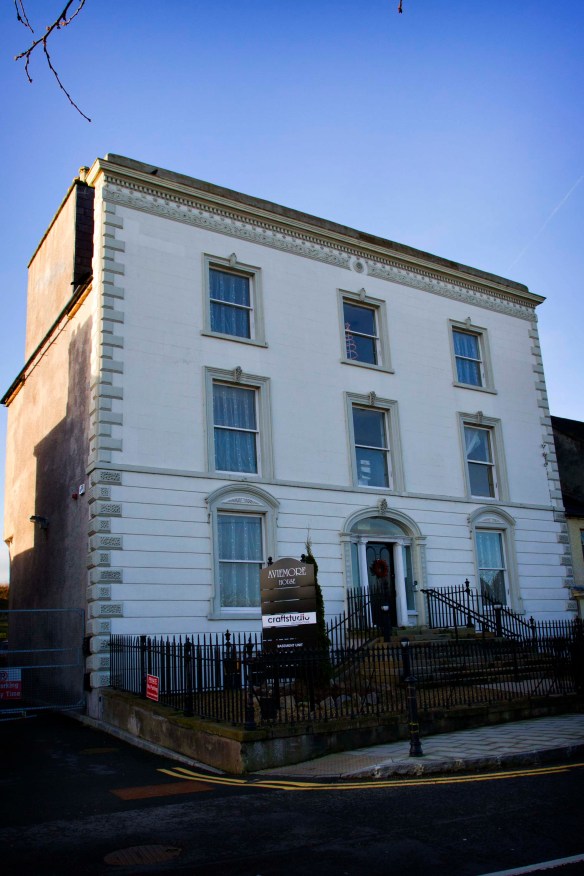
Aviemore House Monaghan (Day Ten)
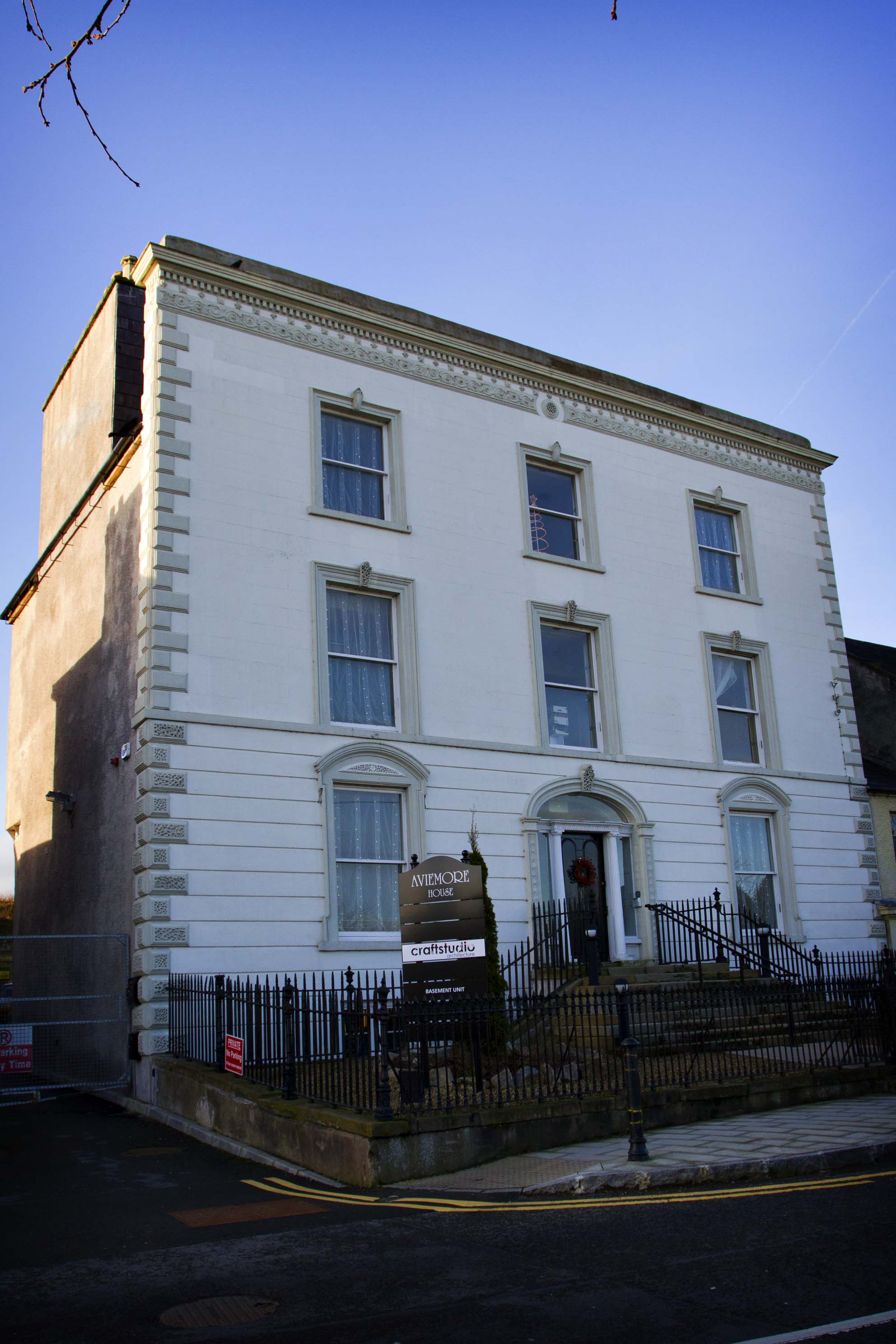
I work in Monaghan Town and just across from this building “Aviemore House”
On a town centre elevated site with impressive views over much of Monaghan town, Aviemore House is a listed building dating back to 1760. This grand historical residence has been refurbished in recent years by a company called Geda who as it happens have their head office at the Moor Bridge Clonoe near Coalisland where I live. The building boasts a unique mix of 18th century features such as the original staircase dating back to est. 1760, original sash windows and shutters.
It is believed to have been originally constructed in 1760 by Sir James Hamilton, a local member of the Grand Jury and Commanding Officer of the Monaghan Battalion of Volunteers. As the house is situated on one of the most prominent locations in Monaghan, it is not surprising that he was once such a notable member of Monaghan society, (the site was once considered for the construction of Monaghan Cathedral). High on a hill over looking the diamond, modern historians believe, on looking at the shape of the rooms, that it may have once been used for administrative purposes, such as meetings of the Grand Jury. Local legend also has it, that a secret tunnel that once ran from the Court House in Monaghan to the jail (now the hospital) was also linked to Aviemore.
It was then passed on to his son, Dacre Hamilton who went down in local folklore as a ruthless rents agent for the Rossmore estate. In 1870, the house is sold to spirit merchant, James Cinnamond for £1400. At this time, the property was believed to have been run by Cinnamond’s daughters as a private girl’s school. This is a good indication to the concentration of prosperous families in the area who could afford to educate their women.
On his death in 1933 the property is sold to Marcus Killen for £1333. Dr Killen used the smaller reception room on the ground floor of Aviemore for his Doctors surgery. His widow continued to live in the house until long after his death.
Monaghan Road Sign (Day Nine)
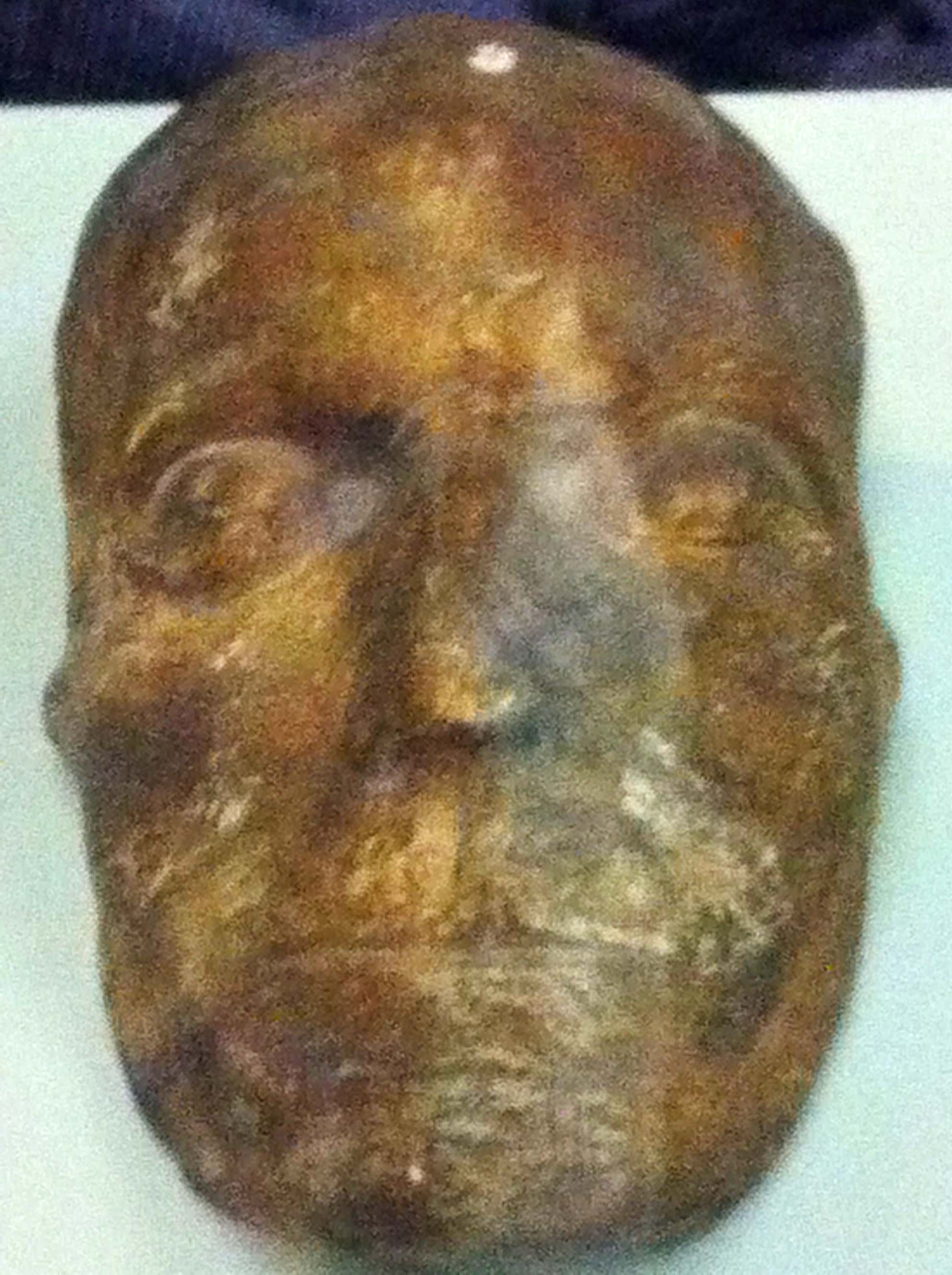
Jemmy Hope’s Death Mask (Day Eight)
This is the death mask of the United Irishman Jemmy Hope which is on display at the Ulster Museum in Belfast.
James Hope (1764-1847) was one of the few working class men (he was a linen weaver) known to have played a leading role in the largely middle-class United Irish movement which led the 1798 rebellion. His gravestone at Mallusk Co. Antrim reads
‘an honest man, steadfast in faith….in the best era of his country’s history a soldier in her cause and in the worst of times still faithful to it.’
Richard Herring @ The Black Box Belfast (Day Seven)
English comedian Richard Herring presented his new show “What Is Love Anyway?” at the Black Box Belfast last night. He’s a clever man whose shows are always thought provoking as well as hilarious (or at least I think so depends on your sense of humour!) He did a show last year called “Christ on a Bike” and the year before one called “Hitler’s Moustache” both fine pieces of stand up..
Sign of The Times (Day Six)
Sullivan’s Shop, a landmark in Coalisland closed last week. I couldn’t establish just exactly how long it had been on the Main Street but it’s a long long time. My father, now in his eightieth year, can’t remember a time before Sullivan’s. It was a news agents, stationary, toy shop (it seemed to do a roaring trade in tennis rackets during Wimbledon fortnight in my childhood) It was where the Fianna footballers met in the town to go to matches and where news about the town was gathered.
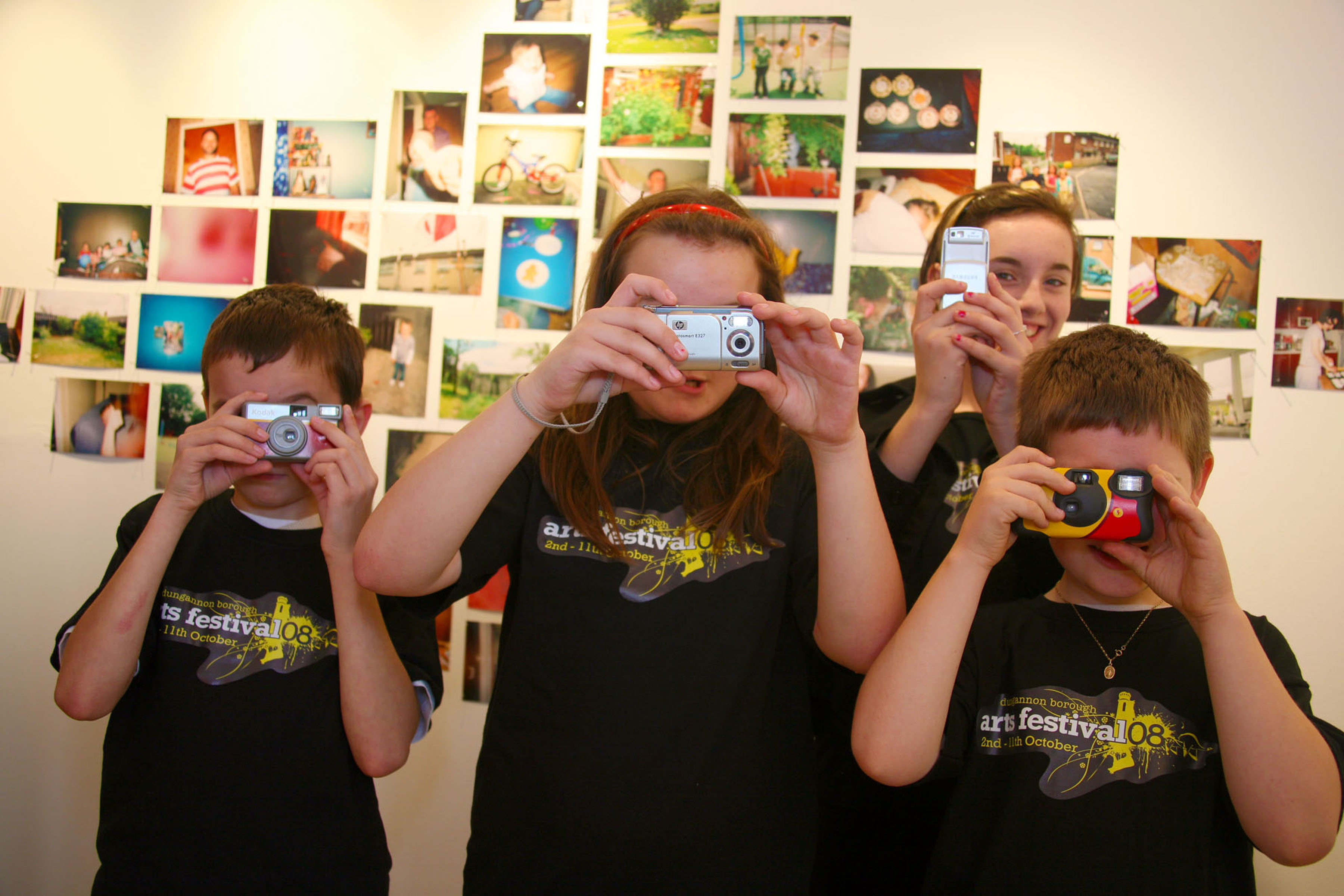
Young Snappers (Day Five)
Coalisland Weaving Factory Lathe (Day Four)
|
A Long Bed Lathe from Coalisland Weaving Company Situated now at the Coalisland Enterprise Centre, the long-bed lathe was designed specifically for processing long shafts and tubing where deep-hole drilling and boring are involved. After the American Civil War of 1861-1864 the cotton exporting Southern ports, blocked by the Northern forces, were causing a severe shortage of cotton. A Manchester cotton tycoon named Ledlie Clarke foresaw a demand for cotton goods would arise after the war. He got together with John Steveson of Stevenson’s yard, to whom he was related by marriage, to build a weaving factory in Coalisland
|